Blog
How to Read a St. Louis Street
Alleys, granite curbs, storm inlets and a combined sewer underneath. A plain explanation of what's under your block, who owns it, and who to call when it fails.
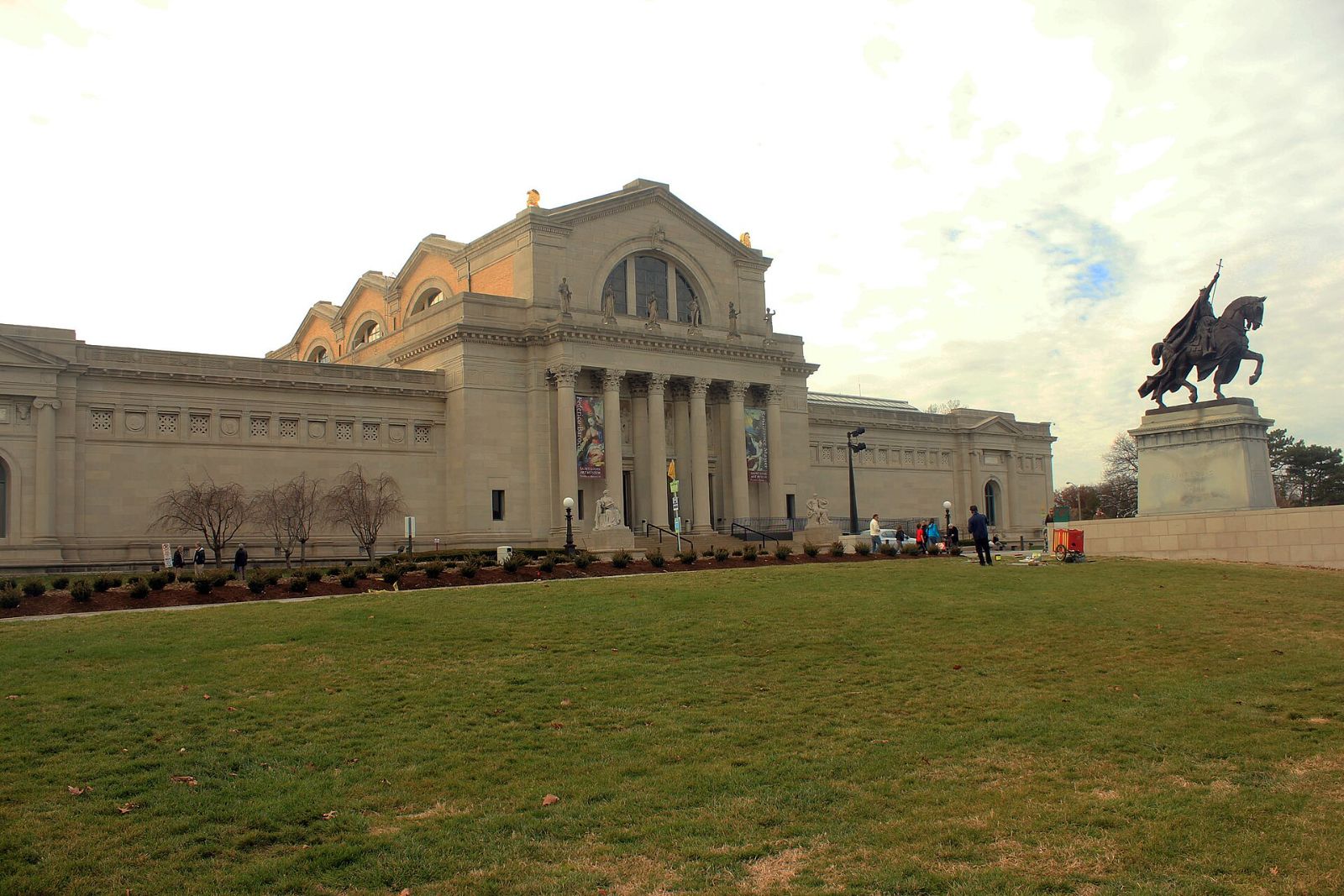
File photo · Archbob · CC0
Stand in the middle of a residential block in St. Louis and you are standing on top of three or four separate systems owned by three or four separate agencies. Nothing about that is obvious from the surface. It becomes obvious the first time you try to get something fixed.
Here's the anatomy, piece by piece.
What you're actually looking at
The alley. Most city blocks have one running down the middle. Many are still brick, laid generations ago, with a shallow dip down the center to carry water. That center channel is doing real work. When an alley sinks, it usually means something under it moved — a collapsed sewer lateral, a washed-out subgrade, a utility trench that was backfilled badly years ago. That's why alley repairs can take a long time. The patch is easy. Finding out why the hole keeps coming back is not.
The curb. Plenty of St. Louis blocks still have granite curbing. It's heavy, it lasts, and it's usually older than the asphalt beside it. Curbs aren't decorative. They define the gutter line, which is the channel that moves water from your block to the inlet at the corner.
The inlet. That slotted opening at the corner, sometimes called a catch basin. Water goes in there and drops into a pipe. The grate is the part you can see; the structure below it fills with leaves, grit and trash, and when it clogs, water backs up into the street and then into the low spots.
The hydrant. It looks like it belongs with the inlet because they're both at the corner. They have nothing to do with each other. The hydrant is drinking water under pressure. The inlet is stormwater going the other direction. Different pipes, different agency.
The sewer under the street. Across much of the older city, the sanitary sewer and the storm sewer are the same pipe. That's a combined system, and it's the single most important thing to understand about why your basement does what it does in a hard rain. In dry weather the pipe carries sewage and has room to spare. In a heavy storm it is also carrying everything that fell on the roofs, streets and alleys of your whole neighborhood. If the system surcharges — fills to capacity and pressurizes — the water has to go somewhere. Sometimes it goes up a floor drain.
The water main. Usually in the parkway or under the street, often very old. A main break announces itself: water surfacing in the street, a pressure drop, sometimes a sinkhole a day later.
The tree lawn. The strip of grass between sidewalk and curb. The street trees in it are a drainage asset, not just shade. Their roots also heave sidewalk squares, which is where the ownership question gets uncomfortable.
Who owns what
Roughly: the city's street department handles the street surface, the alley and the curb. The sewers — sanitary, storm and combined — belong to MSD, the regional sewer district, which is not a city department. The water mains and hydrants belong to the city's water division. The private sewer lateral running from your house to the main is generally the property owner's, and the sidewalk square in front of your house may be partly your responsibility too. Verify that before you assume either way.
That split explains almost every frustration people have. A sunken alley may require MSD to finish before the street department can pave. A basement backup might be your lateral or might be the public main, and the answer determines who pays. A clogged inlet and a leaking hydrant twenty feet apart are two different phone calls.
Which call to make
Street surface, potholes, alley condition, curbs, street trees, trash in the inlet grate, streetlights: the city's Citizens' Service Bureau. That's the general intake line for city services, and it's also where a request gets a tracking number — ask for it.
Sewage backing up, water standing where it shouldn't, a sewer odor, a collapsed or sunken spot you suspect is sewer-related: MSD.
No water, brown water, low pressure, water bubbling up in the street, a hydrant problem: the water division.
Before you call, have the address and cross street, how long it's been happening, whether it's constant or only during rain, and a photo. For a backup, note which fixture or drain and how high the water got. If you've called before, have the old tracking number. Those details are the difference between a work order that gets routed correctly and one that bounces between agencies for a month.
Once you can read a block, the city stops feeling random. It's just old infrastructure with clear seams — and the seams are where things go wrong.
Share this story
Know someone in St. Louis who should see this? Send it their way.
Newsletter
Keep up with St. Louis
One email a week with the stories, events and openings worth knowing about.