Blog
How a Vacant Building in St. Louis Actually Gets Torn Down (or Saved)
A plain walkthrough of the city's vacancy and demolition pipeline — LRA, condemnation, the Preservation Board, historic districts — and where a neighbor can actually step in.

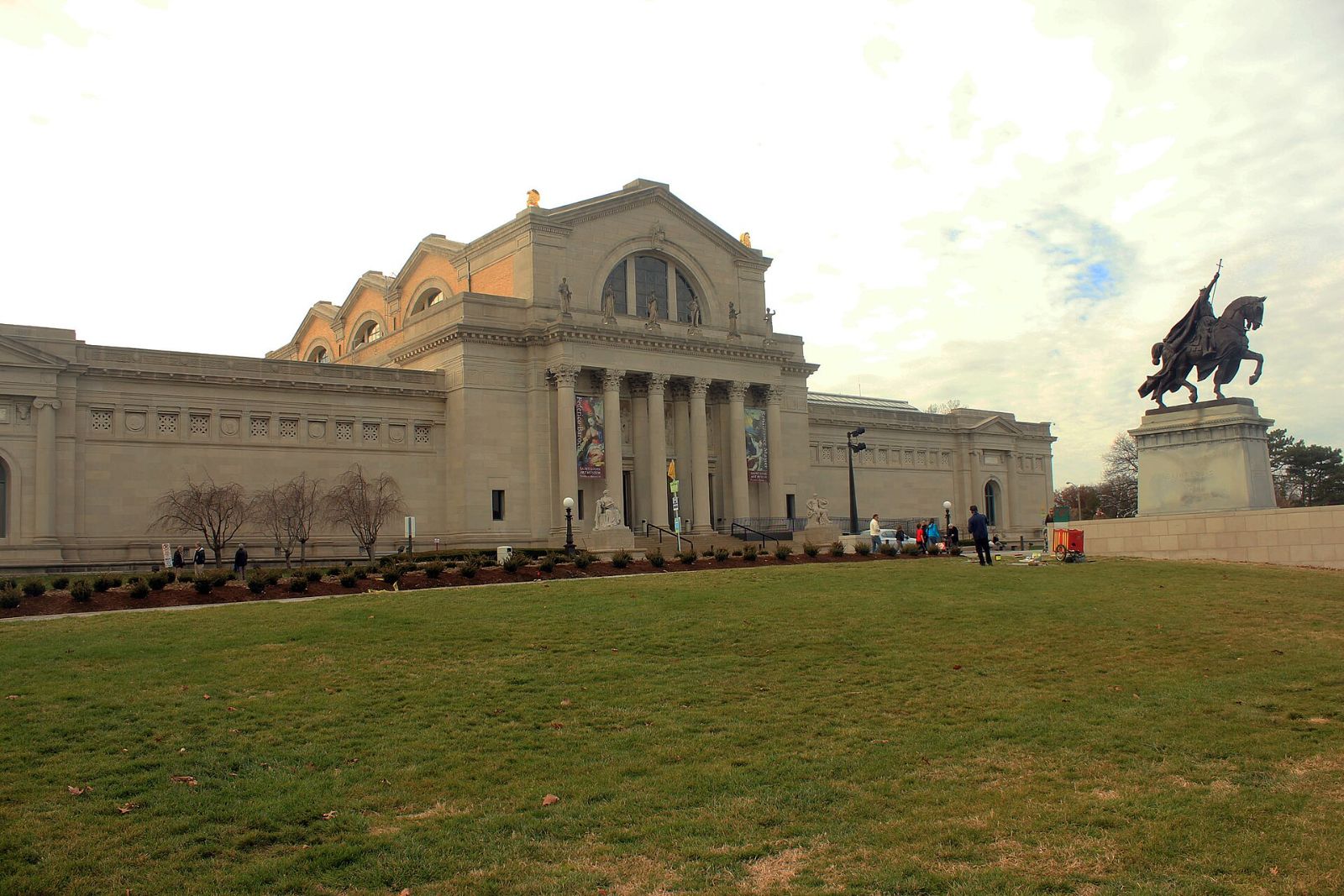
File photo · Bohao Zhao · CC BY 3.0
Every St. Louis neighborhood has one. The house with the plywood going soft. The corner storefront with a tree growing out of the parapet. People argue about it on the block's Facebook group for years, and then one morning there's an excavator, or there's scaffolding, and nobody is quite sure how either thing happened.
The process isn't secret. It's just spread across several offices that don't talk to the public in the same voice. Here's the shape of it.
Step one: figure out who owns it
This determines almost everything that follows, and it's the step most people skip.
A large share of the city's vacant properties are held by the Land Reutilization Authority — the LRA, the city's land bank. Properties generally land there after tax foreclosure, when nobody bids at the sheriff's sale. The LRA is a public owner, which means its inventory is searchable, its buildings can be bought by people with a plan, and its decisions are subject to public pressure in a way a private owner's aren't.
The rest are privately owned. Some are held by people who live two blocks away and ran out of money. Some are held by out-of-state LLCs that bought in bulk and have no intention of doing anything. Private ownership is slower to move on, because the city's main lever is code enforcement, and code enforcement against an absentee owner is a long game.
The city assessor's property records will tell you who holds the deed. Start there before you start organizing.
Condemnation and the Building Division
The Building Division inspects buildings and issues condemnations. A condemnation for occupancy means nobody can legally live there. A condemnation for demolition is the more serious finding: the structure is deteriorated to the point that the city believes it should come down.
A demolition condemnation is not the same as a scheduled demolition. Plenty of buildings carry the designation for years while the city waits on funding, on the owner, or on a buyer. Owners can appeal, and owners can abate — fix the conditions and get the condemnation lifted.
Separate from all of that is emergency demolition. When the Building Division determines a structure is an immediate hazard — a collapsing wall over a sidewalk, a building that's taken a fire or a storm — it can order the building down fast, without the review steps that would otherwise apply. This is the mechanism that produces the "it was there Friday and gone Monday" experience. It exists for real reasons. It also means that by the time preservation-minded neighbors hear about a building, the window has sometimes already closed.
Where the Preservation Board comes in
The Cultural Resources Office and the Preservation Board are the brake pedal.
Demolition permits in certain areas get reviewed rather than rubber-stamped. That includes local historic districts, preservation review districts, and individually designated city landmarks. In those places, the Cultural Resources Office evaluates the application, and contested cases go to the Preservation Board, which meets publicly and takes testimony.
Two things worth understanding. First, a National Register listing by itself does not stop a demolition — the protection that has teeth is local designation. Plenty of St. Louis buildings are on the National Register and legally demolishable. Second, Preservation Board decisions can be appealed upward, so a vote in either direction isn't always the last word.
Preservation Board meetings are open. Agendas are posted in advance. Showing up and speaking is the single most direct thing a non-expert can do, and the board does hear from ordinary neighbors, not just architects.
What you can actually do, by stage
Before it's a crisis. Call or use 311 for an open and vacant building. Request a board-up. Report the illegal dumping and the overgrowth. This creates a paper trail, and a paper trail is what later justifies both enforcement against an owner and funding for stabilization.
When you want it saved. Find out whether the property is in a local historic district or review district — that tells you whether there's a formal review step at all. If it's LRA-owned, ask about buying it or about a stabilization grant. If it's privately owned, the leverage is code enforcement and the alderperson's office.
When you want it gone. Demolition costs money, and the money is finite and allocated. Your alderperson is the person to ask about where demolition dollars are going in your ward and how a specific address ranks. That's a real conversation they have regularly.
When the excavator shows up unannounced. It was probably an emergency order. Ask the Building Division for the condemnation record. If it happened in a historic district without review, that's worth raising — with the Cultural Resources Office and with your alderperson.
None of this is fast. But the block that gets a result is almost always the block where somebody learned which office to call.
Share this story
Know someone in St. Louis who should see this? Send it their way.
Newsletter
Keep up with St. Louis
One email a week with the stories, events and openings worth knowing about.